
Splitting Orforglipron Tablets: Content Uniformity, Dosage Strengths, and Raw Material Realities in Peptide Sourcing
In this article
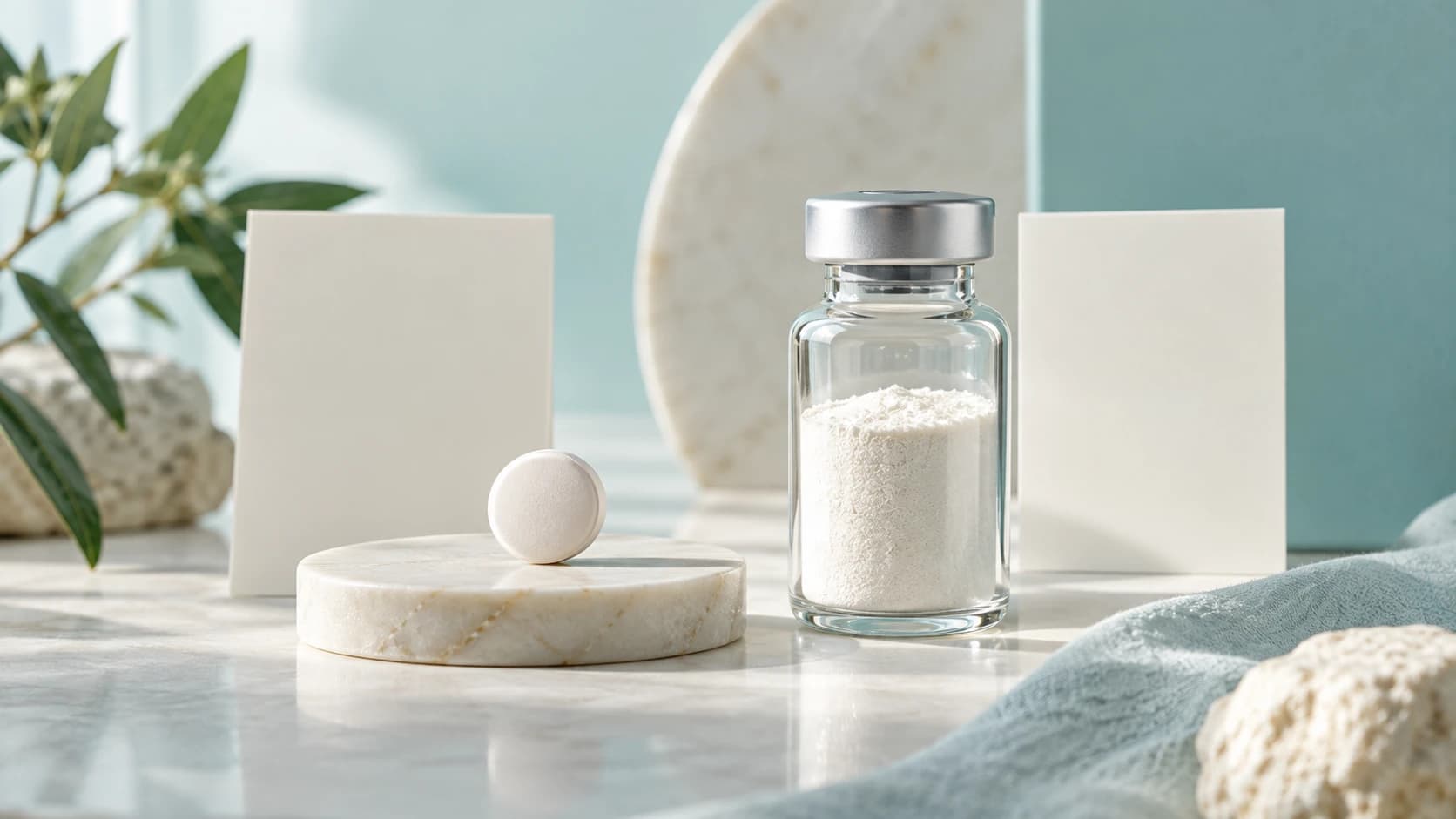
As the peptide research community increasingly turns its attention to oral GLP-1 receptor agonists, practical handling questions routinely surface in professional and analytical forums. A clear example of this ongoing discourse appeared in a recent discussion thread on Reddit (source), where researchers and buyers debated whether splitting oral peptide tablets in half is an effective way to titrate or decrease dosages.
While splitting traditional small-molecule pharmaceutical tablets is a common practice in clinical medicine, applying the same logic to research-grade oral peptides like Orforglipron involves a completely different set of manufacturing, chemical, and analytical considerations. Navigating these nuances requires looking closely at content uniformity, finished product formulation, and the structural differences between pre-manufactured tablets and bulk active pharmaceutical ingredients (APIs).
The Core Problem: Why Tablet Splitting Is Not a Simple Calculation
When handling solid oral dosage forms in a laboratory or comparative research setting, the instinct to halve a tablet to achieve a fractional dose is understandable. However, pharmaceutical formulation is rarely a homogenous mixture where every microscopic fraction holds an identical weight of the active ingredient.
Tablet manufacturing relies on precise granulation, excipient binding, and compression protocols to ensure that the whole unit delivers the targeted total mass. When a tablet is mechanically cut, several variables come into play:
- Content Uniformity: Regulatory standards for whole tablets require strict batch uniformity, but individual halves rarely contain an exact 50/50 split of the active compound unless the tablet is specifically scored for that purpose by the manufacturer.
- Excipient Segregation: Orforglipron is a potent non-peptide small molecule GLP-1 receptor agonist that requires specific stabilizing excipients to protect its structural integrity. Splitting can expose internal core materials to environmental degradation, moisture, and oxidation.
- Structural Integrity: Unlike traditional compressed binders designed for manual splitting, specialized research formulations may crumble, fracture unevenly, or lose mass during division, rendering precise dosing impossible.
Crucially, the absence of an extended-release (ER) matrix does not automatically make a tablet safe or accurate to split. Even in immediate-release formats, uneven cleavage compromises the integrity of the sample, turning a controlled study into an erratic variable.
Whole Tablet Strengths vs. Bulk Raw Materials: Understanding the Sourcing Chain
For procurement managers, clinic researchers, and independent distributors, distinguishing between finished oral tablets and bulk raw materials is essential for maintaining compliance and analytical accuracy. Sourcing errors often stem from confusing these distinct categories:
Swipe or scroll to compare all columns.
| Sourcing Category | Description | Primary Analytical Considerations |
|---|---|---|
| Finished Tablets | Pre-formulated oral doses manufactured for specific laboratory benchmarks. | Requires verification of total mass, excipient profile, and individual unit consistency. |
| Bulk Active Ingredients | Raw, uncompressed peptide powder or base compound. | Requires rigorous high-performance liquid chromatography (HPLC) testing and mass spectrometry to confirm purity before compounding or assaying. |
| Custom Blends | Specialized formulations tailored for specific experimental parameters. | Demands complete transparency in batch formulation and third-party validation. |
Treating raw powder as an interchangeable equivalent to a finished tablet introduces severe compounding errors. Bulk raw materials require specialized laboratory equipment for weighing micro-gram quantities accurately, whereas finished tablets provide a standardized unit of measure that still demands batch-specific verification rather than physical modification.
Ensuring Quality and Compliance in Orforglipron Procurement
For buyers navigating the global market for oral GLP-1 research compounds, reliance on generic marketing claims is no longer sufficient. Ensuring experimental reproducibility requires a systematic approach to vendor evaluation and documentation:
- Review Batch-Specific Documentation: Never rely on generic certificates. Always cross-reference the specific lot number with verified analytical reports to confirm purity and structural confirmation. You can review our current testing standards and documentation protocols directly through our COA Verification Portal.
- Evaluate Formulation Transparency: Understand whether you are procuring standard finished doses or raw components. Explore our detailed specifications on the Orforglipron Subject Center.
- Assess Sourcing Scalability: Ensure your supplier provides clear documentation regarding minimum order quantities, stability data, and secure logistics tailored for research entities. Review our standardized Orforglipron Product Catalog.
Conclusion
The debate around splitting oral peptide tablets highlights a broader need for precision in peptide research and procurement. As discussions continue across analytical communities regarding dosage adjustments and tablet mechanics, the scientific consensus remains clear: physical modification of research tablets introduces unacceptable analytical variables.
For clinics, researchers, and professional buyers, the most reliable path forward relies on sourcing exact, whole-unit strengths accompanied by transparent, batch-verified documentation. To discuss specific batch availability, custom research requirements, or institutional procurement terms, connect with our team directly via our Request a Quote Portal.